
How to Reverse Fatty Liver. Fatty liver disease is common, often silent, and closely connected with metabolic health. The encouraging news is that fat buildup in the liver may be reduced—and early-stage disease may sometimes be reversed—through sustainable changes in food, activity, weight, and management of related conditions. The newer medical name is metabolic dysfunction-associated steatotic liver disease (MASLD), previously called nonalcoholic fatty liver disease (NAFLD).
Learning how to reverse fatty liver does not mean following a detox, taking an unproven supplement, or losing weight as quickly as possible. The safest approach is a long-term plan created with a healthcare professional. It should address the cause of the liver fat and track whether the liver is improving. People with inflammation, significant scarring, diabetes, or other medical conditions may need additional treatment.
Medical disclaimer: This article is for general education and is not a substitute for diagnosis or personalized medical care. Speak with a qualified healthcare professional before changing your diet, exercise routine, medicines, or supplements.
What Is Fatty Liver Disease and What Causes It?
Fatty liver disease develops when excess fat accumulates in liver cells. MASLD is usually associated with insulin resistance and metabolic risk factors such as excess body weight, type 2 diabetes, high triglycerides, abnormal cholesterol, and high blood pressure. Genetics, certain medicines, sleep problems, and other health conditions may also affect risk. Alcohol can cause a different but sometimes overlapping form of fatty liver, so clinicians need an accurate history before recommending treatment.
Simple fatty liver may cause no obvious symptoms. Some people report fatigue or discomfort in the upper-right abdomen, but these symptoms are not specific. A person can also have MASLD even when routine liver-enzyme results are normal. Diagnosis may involve medical history, blood tests, ultrasound or another scan, and tests that estimate liver stiffness or scarring. In selected cases, a specialist may recommend a liver biopsy.
The condition becomes more serious when liver fat is accompanied by inflammation and cell injury. This is called metabolic dysfunction-associated steatohepatitis (MASH), previously NASH. Over time, MASH can lead to fibrosis, cirrhosis, liver failure, or liver cancer. Because the stage changes what “reversal” can realistically mean, getting properly evaluated is the first step.
Can Fatty Liver Disease Be Reversed Naturally?
Early fatty liver can often improve substantially when its underlying metabolic drivers are addressed. The American Liver Foundation notes that healthy eating and physical activity may prevent liver damage or reverse it in initial stages. However, established cirrhosis is advanced scarring and generally cannot be treated like simple liver-fat accumulation. Even then, medical care and lifestyle changes may help prevent further damage and manage complications.
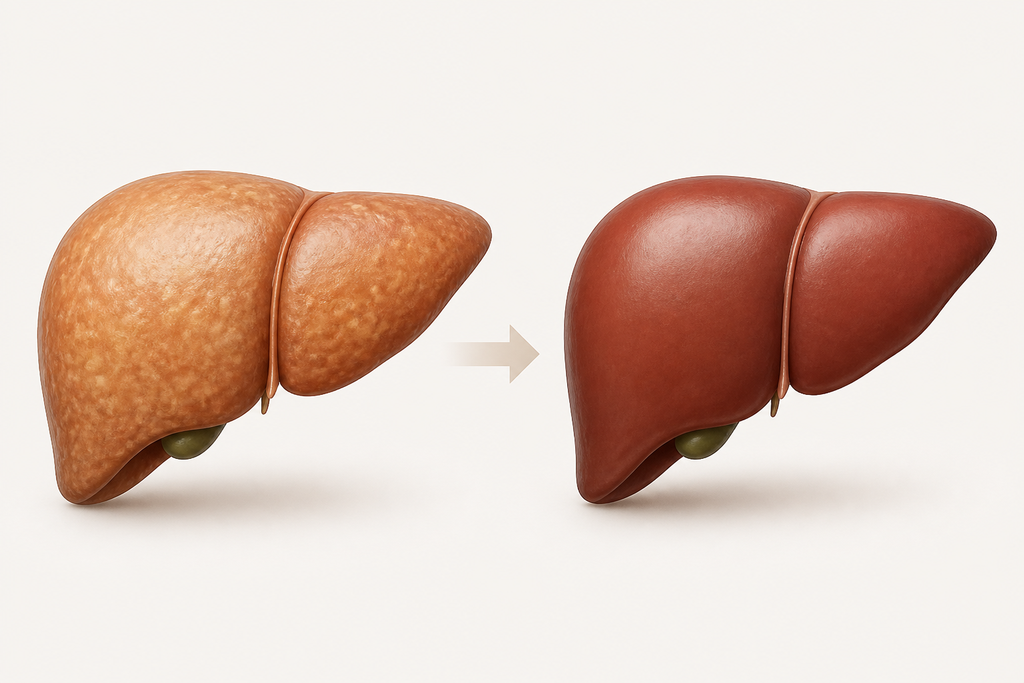
Improvement should be measured medically, not judged by symptoms alone. Your clinician may monitor liver enzymes, blood sugar, cholesterol, weight, waist size, and imaging or noninvasive fibrosis scores. A normal test does not automatically prove that all liver fat or scarring has disappeared, and feeling well does not guarantee that the disease is inactive.
Avoid products marketed as a “liver cleanse.” Supplements are not automatically safe; some herbs and concentrated ingredients can injure the liver or interact with medicines. The National Institute of Diabetes and Digestive and Kidney Diseases recommends discussing vitamins, supplements, and alternative treatments with a doctor before using them.
How to Reverse Fatty Liver Through Diet
There is no single magic fatty liver diet. The most useful pattern is one that improves overall food quality, creates an appropriate calorie intake, supports blood-sugar control, and can be maintained. A Mediterranean-style pattern is a practical option: vegetables, fruit, beans, lentils, whole grains, fish, nuts, seeds, and unsaturated fats such as olive oil form the foundation.
Foods to Eat for a Healthier Liver
Build meals around minimally processed foods. Fill roughly half the plate with non-starchy vegetables, add a source of lean protein, and choose a moderate portion of high-fiber carbohydrates. Good choices include leafy greens, broccoli, peppers, berries, apples, oats, brown rice, beans, lentils, skinless poultry, fish, plain yogurt, tofu, walnuts, and olive oil. Fiber helps with fullness and may support better blood-sugar and cholesterol control.
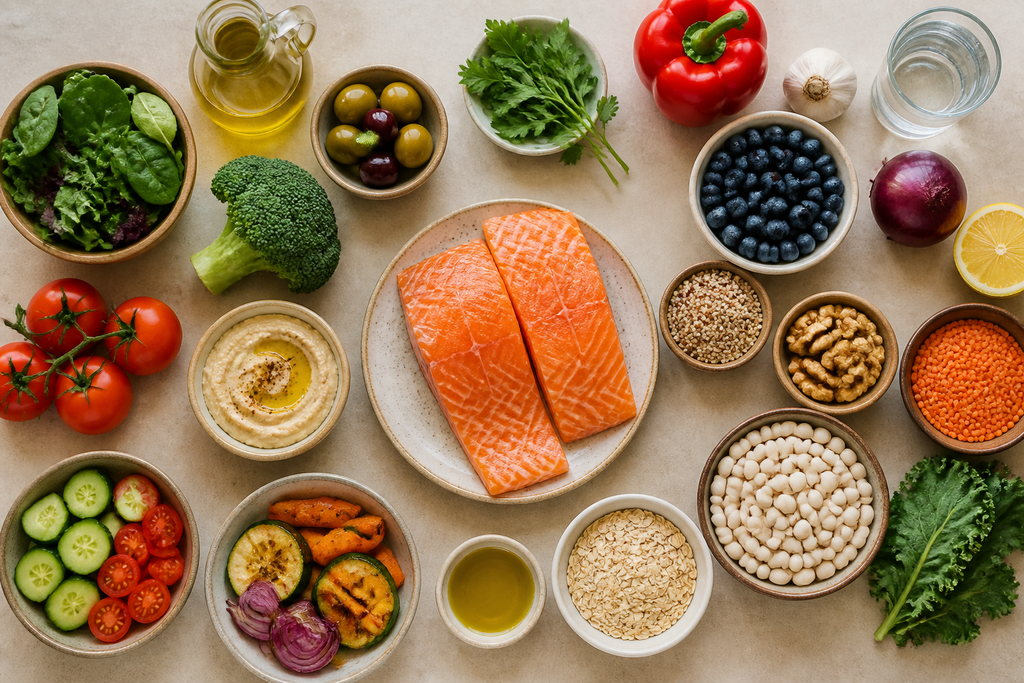
Water, sparkling water without added sugar, or unsweetened tea can replace sugary drinks. Coffee may fit a healthy eating pattern for many adults, but additions such as sugar and high-fat cream can add substantial calories. Ask a clinician about caffeine if you are pregnant, sensitive to it, or have another condition that requires limits.
Foods and Drinks to Avoid
Reduce sugar-sweetened soda, sweet tea, energy drinks, fruit drinks, candy, desserts, refined grains, and heavily processed snacks. Also limit foods rich in saturated fat, including fatty processed meats and frequent large portions of fried food. These foods can make calorie control, triglycerides, and insulin resistance harder to manage.
Whole fruit is generally a better choice than juice because it provides fiber and is easier to portion. Read labels for added sugar and remember that “natural” sweeteners still count as sugar. You do not need to ban every favorite food, but frequency and portion size matter.
Alcohol deserves special attention because it can independently damage the liver. The safest limit depends on the type and stage of disease, medicines, and individual health. Some people—particularly those with significant fibrosis or cirrhosis—should avoid alcohol completely. Ask your clinician for a clear recommendation rather than assuming a general population limit applies to you.
Simple Fatty Liver Diet Plan
For breakfast, try plain oatmeal with berries and walnuts, or eggs with vegetables and whole-grain toast. Lunch could be a large salad with chickpeas or grilled chicken, olive-oil vinaigrette, and fruit. For dinner, choose baked salmon or tofu, roasted vegetables, and a small serving of brown rice or quinoa. If needed, snacks might include an apple, plain yogurt, carrots with hummus, or a small handful of unsalted nuts.
Plan two or three repeatable breakfasts and lunches, cook extra dinner portions, and keep healthy convenience foods available. This reduces reliance on takeout when time is limited. A registered dietitian can adapt the plan for diabetes, kidney disease, food allergies, cultural preferences, or a specific calorie target.
Best Exercises to Reduce Liver Fat
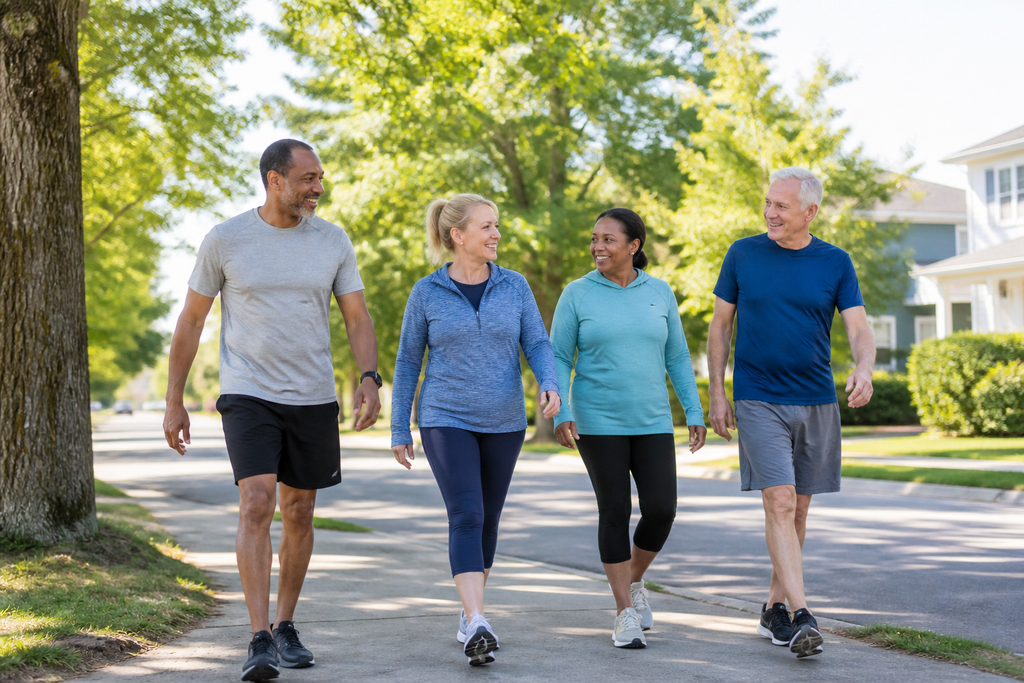
Exercise can reduce liver fat and improve insulin sensitivity even when the scale changes slowly. Mayo Clinic advises aiming for at least 150 minutes of exercise per week. Both aerobic activity and resistance training can help, so the best program is usually the one you can perform safely and continue.
A beginner might walk briskly for 20 to 30 minutes on five days each week, initially using shorter sessions if necessary. Add strength training twice weekly with body-weight movements, resistance bands, or weights. Gradually increase duration or intensity rather than jumping into an exhausting routine. Break up long periods of sitting with a few minutes of movement, and use stairs, household tasks, or walking meetings to increase total daily activity.
If you have chest pain, severe shortness of breath, dizziness, advanced liver disease, joint problems, or have been inactive for a long time, seek medical guidance before starting. Consistency matters more than punishing workouts. A realistic schedule repeated for months is more valuable than an intense plan abandoned after one week.
How Weight Loss Helps Reverse Fatty Liver
For people with overweight or obesity, gradual weight loss is one of the strongest tools for lowering liver fat. According to NIDDK, losing about 3% to 5% of body weight can reduce liver fat, while around 7% to 10% may be needed to reduce inflammation and fibrosis. These are general ranges—not a promise or a requirement for every person. Physical activity is beneficial even without weight loss.
Aim for steady progress through portion awareness, higher-fiber foods, adequate protein, regular activity, sleep, and a plan for setbacks. Rapid weight loss and malnutrition can worsen liver disease, so extreme fasting and crash diets are poor strategies. Weighing once or twice a week under similar conditions may be more useful than reacting to normal daily fluctuations.
Metabolic health also matters beyond body weight. Work with your care team to control diabetes, triglycerides, cholesterol, and blood pressure. Take prescribed medicines as directed. Some patients with MASH and moderate-to-severe fibrosis may qualify for specific prescription treatment, but eligibility requires professional assessment; lifestyle care remains important alongside medication.
How Long Does It Take to Reverse Fatty Liver?
There is no universal timeline. Liver fat may begin to decrease within weeks or months when consistent changes create meaningful metabolic improvement, but inflammation and fibrosis can take longer. Progress depends on the starting stage, amount of weight loss when appropriate, diabetes control, alcohol exposure, genetics, medicines, and consistency. Advanced disease may improve only partially and needs specialist follow-up.
A practical plan is to agree on measurable goals with your clinician and repeat relevant tests at the recommended interval. Do not stop medicines or assume the liver is “cured” because one blood result improves. Seek prompt medical care for yellow skin or eyes, abdominal swelling, vomiting blood, black stools, confusion, or severe weakness, as these can signal serious liver disease.
The central answer to how to reverse fatty liver is straightforward but not instant: confirm the diagnosis, improve food quality, reduce excess calories where appropriate, exercise regularly, lose weight gradually if recommended, manage metabolic conditions, and avoid substances that can damage the liver. Small actions repeated consistently give your liver the best chance to recover.
1 thought on “How to Reverse Fatty Liver Naturally: A Step-by-Step Guide”